
Ultra Processed Truth
Ultra Processed Foods: Hidden Impact on Energy, Gut Health and Cravings
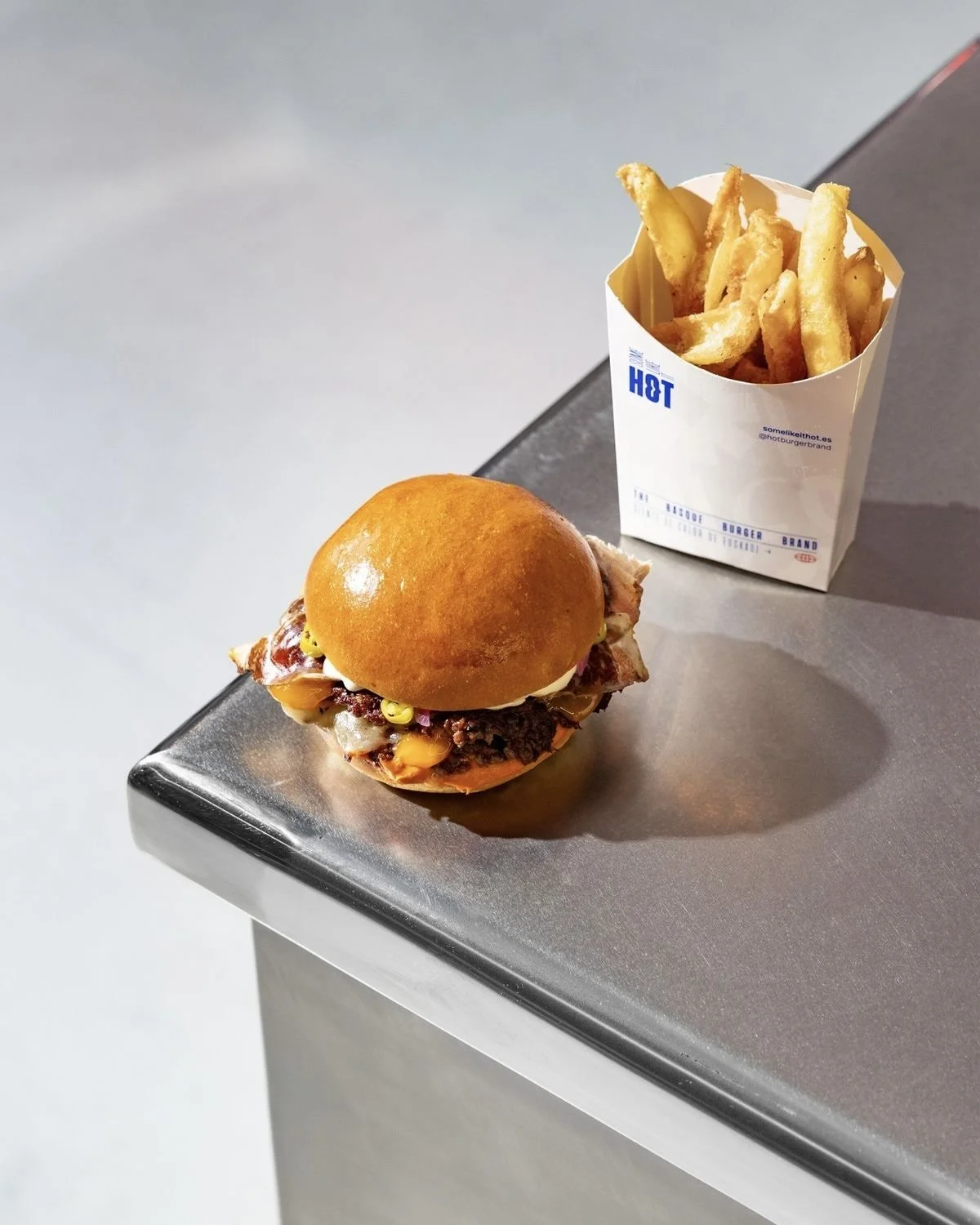
One of the most common patterns I see when working with clients is frustration around energy levels, cravings, and feeling constantly hungry despite trying to “eat healthy”.
Often, when we take a closer look at what’s actually on their plate, a large proportion of their diet comes from foods that are heavily processed and often not from nutrient dense foods. There is the belief that if a food is labelled low calorie, low fat, low sugar, or marketed as “healthy”, then it must support their wellbeing.
Unfortunately, that isn’t always the case.
Our modern diet is increasingly dominated by what are known as ultra-processed foods (UPFs). These products are often designed to appear convenient, affordable, and sometimes even healthy, but the reality can be quite different.
While these foods may look appealing on the surface, regularly consuming them can contribute to several issues many people experience without realising the cause including:
energy crashes throughout the day
brain fog and difficulty concentrating
disruption to gut health
increased hunger and cravings
Research suggests that UPFs now account for more than half of the calories consumed in the average UK diet, highlighting just how dominant they have become in our current food environment (Rauber et al., 2018).
Understanding what ultra-processed foods are—and how to recognise them—can help you make more informed decisions about what you eat.
While there is no universally agreed definition, the term UPFs is commonly associated with a system called NOVA, which classifies foods based on the degree and purpose of their processing (Monteiro et al., 2019).
It’s important to understand that almost all foods are processed to some extent. Washing vegetables, freezing food, pasteurising milk, or cooking meals are all forms of processing. Processing itself is not inherently harmful.
However, the NOVA system distinguishes between different levels of processing.
NOVA divides foods into four categories:
Unprocessed or minimally processed foods – foods that remain close to their natural state (fruit, vegetables, eggs, meat, milk).
Processed culinary ingredients – substances extracted from foods and used in cooking (oils, butter, sugar, salt).
Processed foods – foods made by combining ingredients from groups one and two (cheese, bread, canned vegetables).
Ultra-processed foods – industrial formulations made largely from substances extracted from foods, with additives designed to enhance flavour, texture, or shelf life.
UPFs typically involve multiple industrial processes, where whole foods are broken down into components such as:
sugars
oils and fats
starches
protein isolates
flavour enhancers and additives
These components are then recombined to create highly palatable food products (Monteiro et al., 2019).
A plain natural yogurt would be considered minimally processed.
However, a shop-bought flavoured yogurt that contains added sugars, sweeteners, artificial flavourings, stabilisers, or emulsifiers would likely fall into the ultra-processed category.
UPFs are not only engineered for convenience—they are often designed to maximise palatability, meaning they are extremely rewarding for the brain to eat.
Research into what is known as hyper-palatability shows that many ultra-processed foods are deliberately formulated with specific combinations of nutrients that stimulate our brain’s reward systems (Fazzino et al., 2023).
These formulations often include:
combinations of sugar and fat
high levels of salt
engineered textures that make foods easy to overconsume
ingredients that allow rapid digestion and absorption
These combinations activate dopamine pathways in the brain, the same reward circuits involved in motivation and habit formation.
As a result, these foods can encourage stronger cravings, increased calorie consumption and reduced feelings of fullness.
Because they digest quickly and often lack fibre or protein, they can leave you feeling hungry again soon after eating, reinforcing the cycle of overeating.
UPFs often contain highly refined carbohydrates, which can cause rapid spikes in blood glucose. These spikes are often followed by sharp drops in energy levels, leaving people feeling tired, irritable, and craving more sugary foods to regain energy.
This pattern can contribute to the familiar cycle of energy highs and crashes throughout the day.
As well as containing highly refined carbohydrates, these foods tend to be high in saturated fats, refined sugars, and salt, while being low in fibre, vitamins, and micronutrients that support long-term health.
Research has associated high consumption of ultra-processed foods with an increased risk of several health conditions, including cardiovascular disease, type 2 diabetes and inflammatory bowel disease. These associations have been highlighted in recent reviews examining the growing impact of ultra-processed foods on population health (British Medical Association, 2024).
These impacts may not only be physical but also have an effect mentally. Diets high in UPFs have been associated with increased rates of depression, mood instability and reduced psychological wellbeing.
One possible explanation is the gut–brain connection, where diet influences the gut microbiome, which in turn affects brain function and mood regulation. The gut microbiome plays a critical role in digestion, immune function, and even mental health.
However, diets high in ultra-processed foods may negatively affect gut health in several ways:
low fibre intake, which reduces beneficial bacteria
additives such as emulsifiers that may alter gut bacteria
lack of diverse whole foods needed to support microbiome diversity
Emerging research suggests that frequent consumption of ultra-processed foods may contribute to disruptions in the gut microbiota, potentially influencing inflammation and long-term health outcomes (De Oliveira Otto et al., 2024).
One of the challenges we are facing as consumers is that it isn’t always obvious when a product falls into this category. As previously mentioned, marketing claims on packaging can sometimes give the impression that a food is healthier than it really is.
One of the most effective ways to identify ultra-processed foods is by reading the ingredient list.
Some useful things to look out for include:
very long ingredient lists
ingredients you wouldn’t normally find in a home kitchen
multiple forms of sugar
artificial flavourings, colourings, or preservatives
For example, a typical ingredient list for my favourite flavour of crisps Pickled Onion Monster Munch reads:
Maize, Rapeseed Oil, Pickled Onion Seasoning [Flavourings, Whey Permeate (from Milk), Onion Powder, Sugar, Flavour Enhancers (Monosodium Glutamate, Disodium 5'-Ribonucleotide), Salt, Potassium Chloride, Garlic Powder, Hydrolysed Soya Protein, Acid (Citric Acid), Spices]
While there is nothing inherently harmful about eating these foods occasionally, ingredient lists like this highlight how far removed some products are from whole food ingredients.
A simple rule of thumb is:
If the ingredient list reads more like a chemistry experiment than a recipe, it may be worth reconsidering how often you eat it.
One important challenge when discussing nutrition is accessibility.
Unhealthy foods, including many ultra-processed foods, are often more affordable and more widely available than healthier options. Research suggests that healthier foods can be more than twice as expensive per calorie compared with less healthy foods, making it harder for many people to prioritise nutritious choices (British Medical Association, 2024).
In addition:
over a third of supermarket promotions focus on unhealthy foods
around 43% of price reduction promotions apply to less healthy options
fast food outlets are significantly more common in economically deprived areas
These factors make it clear that food choices are influenced not just by personal decisions but also by the environment people live in. Despite these challenges, small changes can still make a meaningful difference.
Some affordable alternatives include:
oats instead of sugary breakfast cereals
homemade snack bars instead of processed protein bars
plain Greek yogurt instead of flavoured yogurts
home-cooked meals instead of ready meals
While healthy eating can sometimes feel expensive and less convenient, focusing on simple whole foods can often be both nutritious and cost-effective.
Improving your diet doesn’t require drastic changes overnight.
Instead, small and sustainable habits can gradually shift your food choices toward healthier options.
Some practical steps include:
reading ingredient labels more regularly
paying attention to how certain foods affect your energy and mood
cooking one extra meal at home each week instead of ordering a takeaway
prioritising whole foods when shopping
shopping around the outer aisles of supermarkets, where fresh foods are often located
Ultra-processed foods are deeply embedded in modern food culture, and completely avoiding them is unrealistic for most people.
However, understanding what they are—and how they influence our bodies—can help you make more conscious decisions about what you eat. Food should ultimately fuel your body, support your health, and sustain your energy, not leave you feeling depleted or dependent on constant cravings.
The goal isn’t perfection.
It’s simply becoming more aware of what’s on your plate.
Rauber F, da Costa Louzada ML, Steele EM, Millett C, Monteiro CA, Levy RB. Ultra-Processed Food Consumption and Chronic Non-Communicable Diseases-Related Dietary Nutrient Profile in the UK (2008–2014). Nutrients. 2018. Link
Monteiro CA, Cannon G, Levy RB, et al. Ultra-processed foods: what they are and how to identify them. Public Health Nutrition. 2019. Link
Fazzino TL, Rohde K, Sullivan DK. Hyper-Palatable Foods: Development of a Quantitative Definition and Application to the US Food System Database. The Obesity Society. 2019. Link
Rondinella, D Celine Raoul, P Valeriani, E et al. The Detrimental Impact of Ultra-Processed Foods on the Human Gut Microbiome and Gut Barrier. Nutrients. 2025. Link
British Medical Association. Improving the nation’s diet: the impact of ultra-processed food. 2024. Link
Van Tulleken C. Ultra-Processed People: Why Do We All Eat Stuff That Isn’t Food… and Why Can’t We Stop? Cornerstone Press. 2023.
Spector T. Food for Life: The New Science of Eating Well. Jonathan Cape. 2022.
Channel 4. What Not To Eat: Secrets of the Ultra-Processed Food Industry. Documentary. 2026.