
Master Of Sleep
Understanding and Optimising Your Sleep Cycle
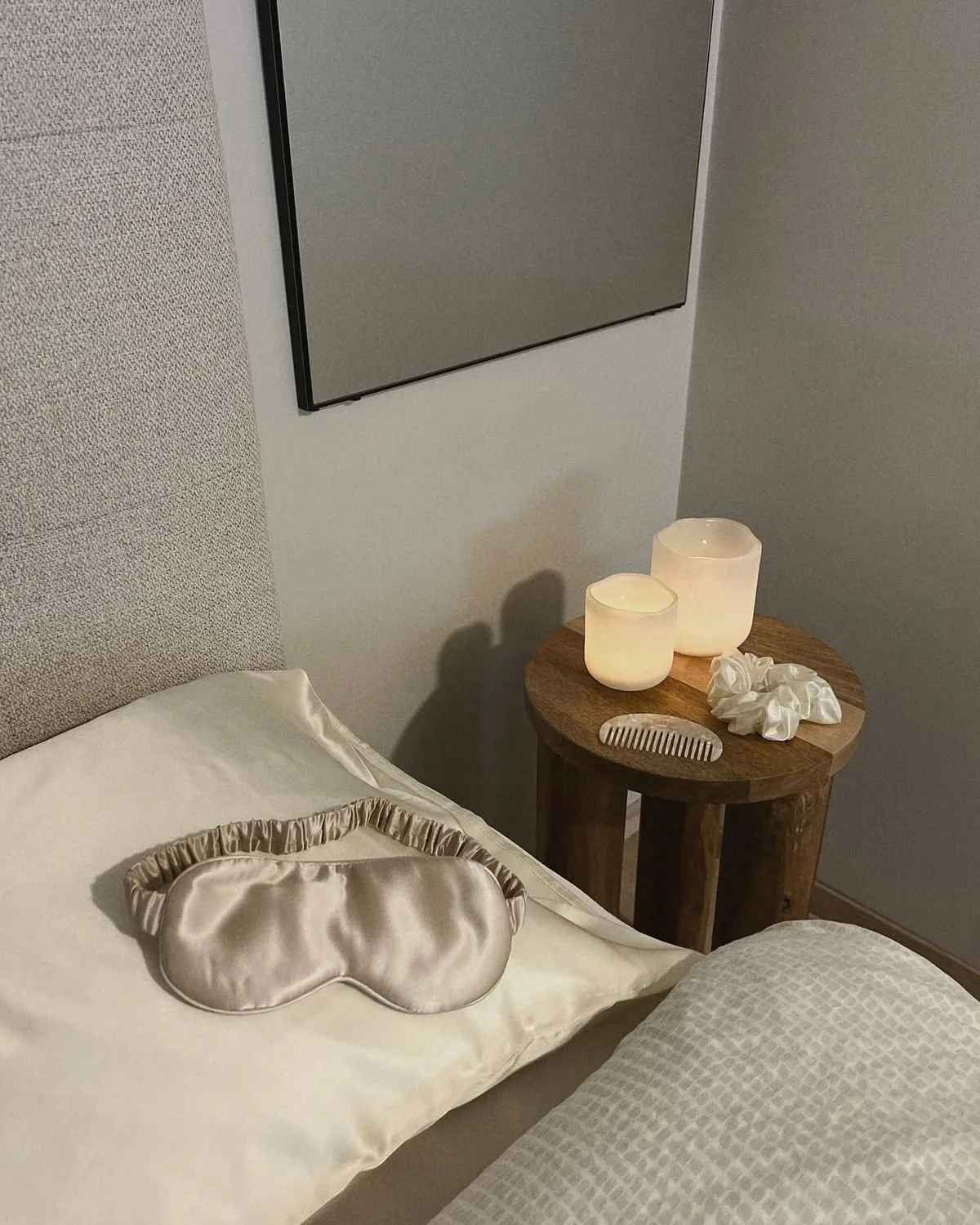
You may be falling into the trap of believing that a good night’s sleep is measured purely in hours. This way of thinking often leads to a frustrating spiral, questioning why you feel mentally drained and physically exhausted despite spending plenty of time in bed.
The reality is that true sleep quality is defined by something deeper — your sleep cycle. When your sleep cycles are balanced and uninterrupted, the body and mind work in harmony. When they’re disrupted, even long nights with plenty of sleep can leave you feeling tired, unfocused, and out of sync.
My own struggle with sleep often left me feeling frustrated, unregulated, and stuck in a constant state of playing catch up. As a personal trainer, my job requires early mornings and, at times, late evenings, so feeling balanced and well-rested is essential — not only for myself, but for the clients I support.
Last summer, I decided to bite the bullet and invest in a tracker that monitored sleep, stress, and recovery. Having access to this data has completely changed my understanding of my sleep cycle, allowing me to make small, intentional adjustments where needed to support a consistently better night’s rest.
Learning how your sleep cycle works — and how to support it — is the first step toward becoming the master of your sleep.
What Is a Sleep Cycle?
Sleep is not a single, uniform state. Instead, it is made up of repeating sleep cycles, each lasting approximately 90 minutes. Over the course of a typical night, the body moves through four to six of these cycles, transitioning through different stages that support physical restoration, mental clarity, and emotional balance.
Sleep cycles are influenced by your circadian rhythm — your internal body clock — which responds to light, darkness, activity, food, stress, and routine. When your circadian rhythm and sleep cycles are aligned, sleep becomes deeper, more restorative, and more efficient.
The Stages of the Sleep Cycle
Each sleep cycle contains distinct stages, all of which play a vital role in health and performance.
Stage 1: Light Sleep (Non-REM)
This is the transition from wakefulness into sleep. The body begins to relax, breathing slows, and muscle activity decreases. While brief, this stage prepares the brain and body for deeper rest.
Stage 2: Light Sleep (Non-REM)
Heart rate and body temperature drop further, allowing the body to conserve energy. Brain activity begins organising information from the day, supporting learning and memory. This stage makes up the largest portion of total sleep.
Stage 3: Deep Sleep (Non-REM)
Deep sleep is where physical restoration occurs. The body repairs muscle tissue, strengthens the immune system, and releases growth hormones. Without enough deep sleep, you may wake feeling physically drained, regardless of how long you slept.
REM Sleep (Rapid Eye Movement)
REM sleep is essential for mental and emotional health. This is when most dreaming occurs, emotions are processed, creativity is enhanced, and memory consolidation takes place. REM sleep supports mood regulation, problem-solving, and cognitive performance.
As the night progresses, deep sleep becomes shorter and REM sleep becomes longer, making consistent, uninterrupted sleep crucial.
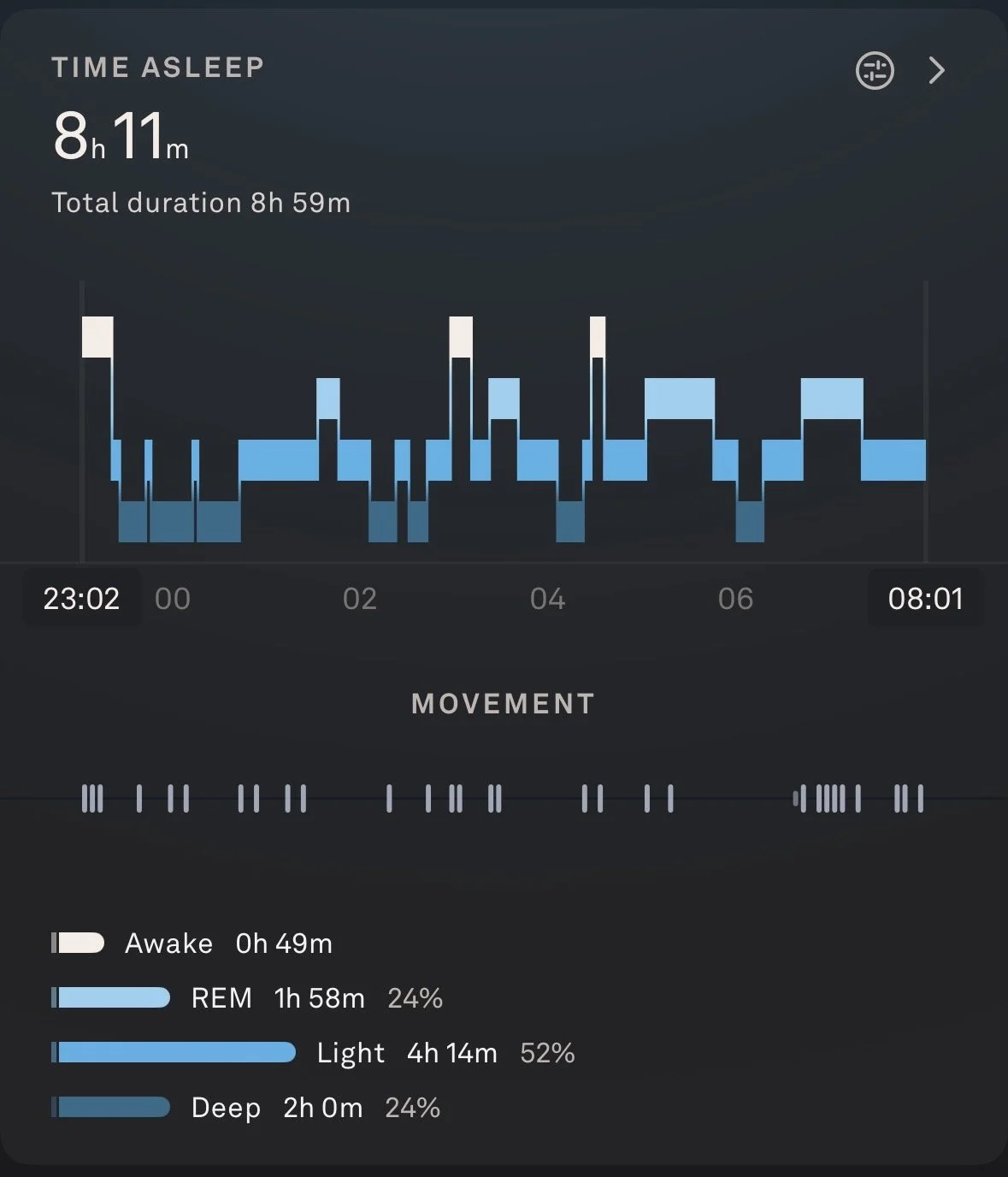
When sleep cycles are completed naturally, the benefits extend well beyond rest:
Improved focus, learning, and memory
Better emotional regulation and stress resilience
Increased physical recovery and immune function
Enhanced productivity and motivation
Greater energy and mental clarity throughout the day
Disrupted sleep cycles caused by irregular schedules, late nights, stress, or technology use can lead to sleep debt, reduced productivity, and long-term health consequences.
How to Master Your Sleep Cycle
Mastering your sleep cycle doesn’t mean forcing yourself into someone else’s routine. It means working with your biology rather than against it.
Here are a few practical ways to support healthy sleep cycles:
Maintain a consistent sleep schedule, even on weekends
Get natural light exposure early in the day, to regulate circadian rhythm
Move your body daily, ideally earlier rather than late at night
Create a calming bedtime routine, that signals rest
Optimise your sleep environment, think cool, dark, and quiet
Limit screen use before bed, especially bright or stimulating content
Practice mindfulness or relaxation techniques, to calm racing thoughts
Your sleep routine doesn’t need a huge overhaul but instead small, consistent adjustments that can dramatically improve how efficiently your sleep cycles function.
Sleep is not passive — it is an active, structured process that fuels every aspect of health, performance, and wellbeing. By understanding your sleep cycle and respecting your circadian rhythm, you move from simply getting through the night to truly mastering your sleep.
Prioritise quality over quantity and better days naturally follow.
Mastering your sleep cycle is just the beginning. To go deeper into creating a sustainable routine and improving your daily energy, read Better Sleep Health for practical steps for building a strong sleep foundation and The Early Riser to transform your mornings with consistent sleep.