
The Hidden Cost of Screen Time: Why Your Phone Is Stealing Your Time
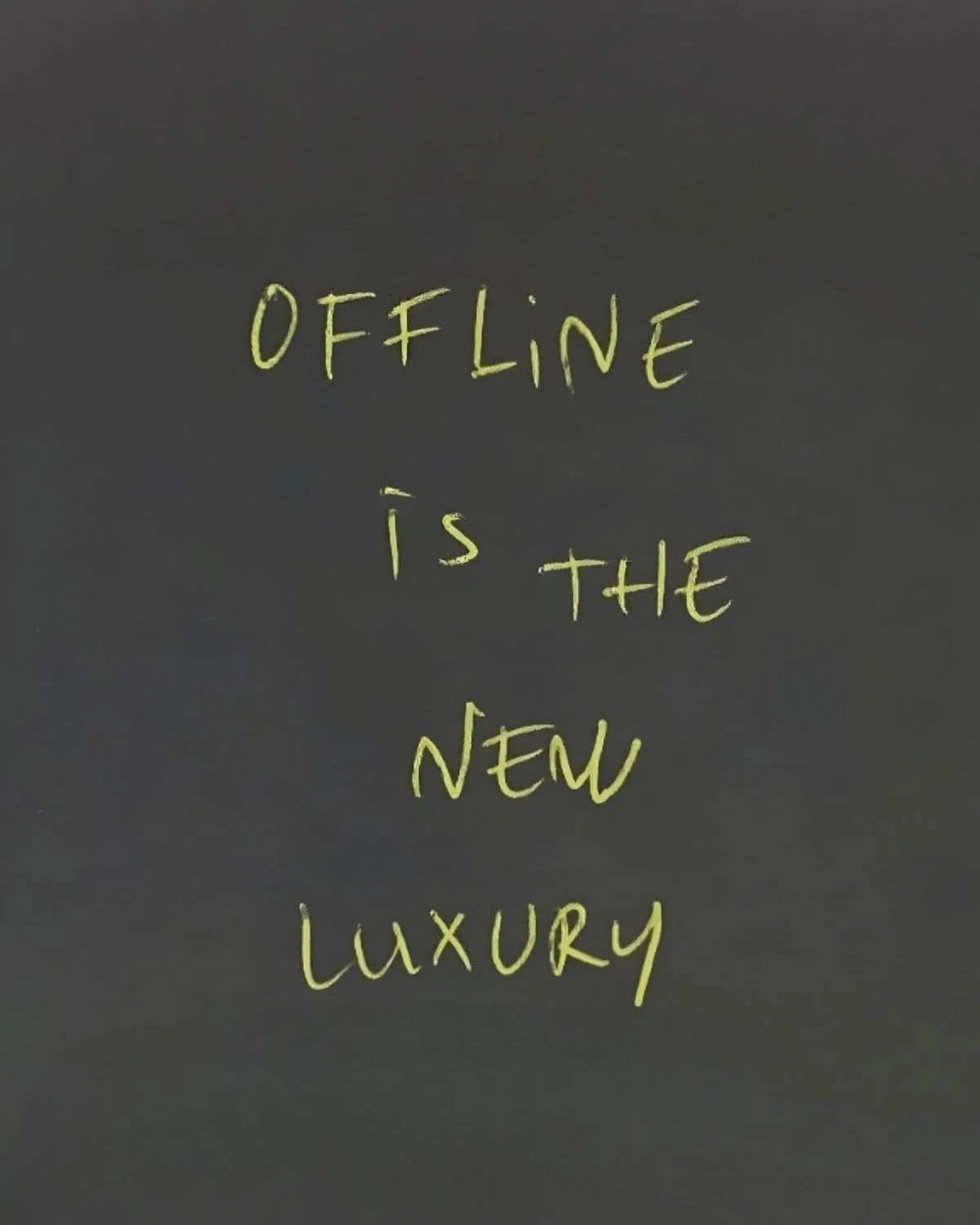
Most people say they don’t have enough time. Yet I’d be willing to bet their screen time data tells a very different story.
In the modern era of social media, attention is the currency these tech giants want you to pay with.
Think about it, how many times have you opened up your phone, possibly with good intentions to complete another task and found yourself 30-40 minutes later on your favourite social media platform of choice endlessly scrolling into the abyss of content. These apps are specifically designed and built to capture as much of your attention as possible.
The more attention you give them the less time it feels like you have.
I’ll admit I’m just as guilty as the next person. I’ve literally just pulled myself out of a doom scroll to write and share my thoughts in this blog.
The reason these platforms are so effective at capturing our attention is not accidental. Behind every notification, refresh and infinite scroll feature, is a system designed to keep us engaged for as long as possible.
Recent industry reports from Ofcom suggest in the UK, the average smartphone user now spends between 4.5 hours per day on their phone, much of it on social media platforms. Every minute spent endlessly scrolling is a minute taken away from those priorities or goals that genuinely matter to you.
The human brain simply wasn’t designed to handle unlimited streams of attention-seeking stimuli, yet this is exactly what modern digital platforms provide. Social media apps are engineered to exploit the brain’s reward system, creating what many researchers now describe as dopamine feedback loops.
Think of dopamine as the brain’s very own “reward chemical.”
It plays a central role in motivation, anticipation, and habit formation. Each time we receive a notification, a like, or discover a new piece of content, the brain experiences a small dopamine release. This creates a powerful reinforcement cycle where the brain begins to associate scrolling with potential rewards.
The important point is that dopamine itself isn’t the problem. In fact, many healthy behaviours that support long-term wellbeing such as exercise, learning new skills, or building meaningful relationships can also activate the brain’s reward system.
For example, research shows that physical activity increases dopamine synthesis and signalling in brain regions associated with motivation and pleasure (Meeusen & De Meirleir, 1995). Unlike social media, however, the reward from exercise isn’t delivered instantly. A workout often demands physical effort, discipline, and time before the brain releases feel-good neurochemicals such as dopamine, serotonin, and endorphins that improve mood, reduce stress, and enhance cognitive function (Dishman et al., 2006; Meeusen et al., 2013).
This contrast is key: digital platforms offer immediate gratification with minimal effort, while activities that genuinely improve our health and personal growth require sustained attention and energy before their benefits fully emerge.
Over time, when the brain adapts to frequent, low-effort dopamine hits from screens, it can begin to favour the easiest source of reward. This can make activities like exercise, deep focused work, or face-to-face connection feel more demanding by comparison. Consequentially this demand of this repeated dopamine stimulation is impacting our productivity, mental health and sleep health.
Productivity
In The Attention Merchants, Tim Wu describes how modern technology companies operate within an attention economy, where human attention is treated as a commodity to capture and monetise. Features such as notifications, autoplay, and infinite scrolling are deliberately designed to keep users engaged for as long as possible.
The challenge is that meaningful work — whether it’s learning a new skill, exercising, building a business, or progressing in a career — requires sustained concentration. When our attention is repeatedly interrupted by digital distractions, it becomes increasingly difficult to enter states of deep focus, leaving many people feeling busy but not necessarily productive.
Mental Health
One of the most concerning consequences of constant digital stimulation is the impact on mental health. In The Anxious Generation, Jonathan Haidt explores how the rapid rise of smartphones and social media has coincided with increasing rates of anxiety, depression, and loneliness, particularly among younger generations such as Gen Z & A. Continuous exposure to social comparison, online validation, and algorithm-driven content can create a cycle where individuals feel compelled to stay connected while simultaneously feeling worse as a result.
When attention is constantly fragmented and external validation becomes the reward, it becomes harder for the brain to regulate emotions and maintain focus on real-world relationships and experiences. Over time this can contribute to feelings of overwhelm, reduced self-esteem, and an increased sense of mental fatigue.
Sleep Health
Screen time can also have a significant impact on sleep quality. Exposure to light from smartphones, tablets, and other digital devices in the evening can interfere with the body’s natural sleep signals. Research has shown that using light-emitting screens before bedtime suppresses the production of melatonin — the hormone responsible for signalling to the body that it is time to sleep — which can delay sleep onset and reduce overall sleep quality (Chang et al., 2015).
In addition to the effects of light exposure, engaging with stimulating content late in the evening keeps the brain in an alert state when it should be preparing to wind down. As a result, people often go to bed later, struggle to fall asleep, and wake feeling far less rested the following day.
Circling back to my very first point: the biggest thing we stand to lose is our time and spend more time wondering where it has gone.
If you were to check your screen time right now, would you feel comfortable sharing your stats with your colleagues or friends?
If the answer is no, there are a few practical solutions you can implement immediately to reduce your screen time data.
Audit Your Screen Time
The first step is awareness. Most smartphones now provide built-in screen time data that allows you to see exactly how your time is being divided across different apps.
Once you know which platforms are consuming most of your attention, you can start setting boundaries. App timers are available within most phone settings and allow you to set daily limits for specific applications.
As a general rule, if you find yourself spending more than one hour per day on a single app, it may be worth experimenting with cutting that time by around 50%. When you approach your limit, your phone will notify you and can even block access to the app for the remainder of the day.
Protect Your Mornings
Instead of immediately reaching for your phone and opening social media, consider dedicating the first part of your day to a more intentional routine.
Limiting screen time in the morning allows your brain to transition naturally from sleep to alertness. It can reduce stress, improve focus, and prevent the early dopamine spike that often fuels the urge for constant digital stimulation throughout the day.
Building yourself a mindful morning routine, even something as simple as stretching, getting natural light, journaling, or planning your day can set a far more productive tone.
Set a Digital Curfew
Equally important is creating distance from screens before bed. Setting a digital cut-off point at least one hour before bedtime allows the brain to begin winding down without the stimulation of notifications, bright screens, or endless content.
Using features such as Do Not Disturb mode can also help minimise distractions during this time. Replacing late-night scrolling with calmer activities such as reading, reflection, or preparing for the following day can support better sleep quality and help your mind shift into a more restful state.
If you want to dive deeper into refining your current sleep routine, Do Not Disturb and Master Of Sleep highlight the benefits of optimising your sleep cycle and practising better sleep hygiene.
Technology has the potential to enhance our lives in remarkable ways. It connects us, educates us, and provides tools that previous generations could never have imagined.
But when used without awareness, it can quietly impair our focus, disrupt our sleep, and steal hours of our lives like a thief in the night.
Technology should be a tool that supports your goals — not something that consumes your attention.
Use it intentionally, because once your time is gone, you don’t get it back. ⏳
References:
Online Nation Report. Ofcom. 2025 Link
Meeusen R, De Meirleir K. Exercise and brain neurotransmission. Sports Medicine. 1995. Link
Dishman RK, Berthoud HR, Booth FW, et al. Neurobiology of exercise. Obesity. 2006.
LinkMeeusen R, Duclos M, Foster C, et al. Exercise and physical activity for stress, depression and anxiety. Clinical Sports Medicine. 2013.
LinkChang AM, Aeschbach D, Duffy JF, Czeisler CA. Evening use of light-emitting eReaders negatively affects sleep, circadian timing, and next-morning alertness. Proceedings of the National Academy of Sciences. 2015. Link
Haidt J. The Anxious Generation: How the Great Rewiring of Childhood Is Causing an Epidemic of Mental Illness. Penguin Press. 2024.
Wu T. The Attention Merchants: The Epic Scramble to Get Inside Our Heads. Atlantic Books. 2017.